
Source galvanized steel water tanks from global suppliers
Source galvanized steel water tanks from global suppliers. Accessing to the right and proper water storage tanks is important for projects, businesses, construction facilities, industries, residential developments and others to enable a smooth and continuous operation even in the uncertainties.
The galvanized steel water tanks provides a strong and practical option for storing water because they are manufactured from steel protected with zinc coating as it helps to resist corrosion. Accessing to the quality and durable galvanized steel water tank can be challenging which it may require to work with a reliable and reputable sourcing agent like Jesaka sourcing agency the global sourcing and procurement logistics
Working with a professional and experienced sourcing agency simplifies the work or the purchasing process since they provide a seamless and hustle free sourcing services. These are able to navigate and find the best manufacturers for not only galvanized steel water tank, but also others like stainless steel tank, underground tanks, plastic and polyethylene tanks and others
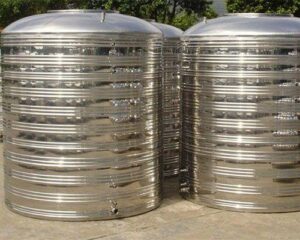
Understand the meaning of galvanized steel water tanks
These are storage containers that are made from steel that has been coated with zinc. The galvanized process helps to protect the steel surface from corrosion and can extend the tank’s service life when the tank is properly designed, maintained and installed
The galvanized tanks are available in different capacities and configurations. Some are manufactured as sectional tanks which can be transported in panels and assembled at the installation site, making them suitable for projects
Where the galvanized steel water tanks used?
These tanks can be used in wide range of requirements and these include
Rain water harvesting: They can be incorporated into rain water for irrigation, livestock, crop production and other agricultural activities
Agricultural water storage: The farmers use these galvanized water tanks to store water for irrigation, livestock, crop production and other agricultural activities
Commercial and residential buildings: The hotels, offices, apartments, buildings, school and residential properties can use water tanks as part of their water supply and storage systems
Community water projects: These projects require temporary or permanent water storage for waters, equipment, cleaning and construction activities
Construction sites: These construction projects may require temporary or permanent water storage for workers , equipment, cleaning and construction activities.
Types of galvanized steel water tanks
When buying these galvanized steel water tanks, the buyers may encounter various designs depending on their requirements
Large capacity galvanized tanks: These are used for agricultural, industrial, commercial and institutional water storage requirements
Roofed galvanized steel tanks: They are designed with covers to help protect stored water from external contaminants
Bottled galvanized steel tanks: These are designed with bottled connections, allowing transportation and installation in sections
Sectional galvanized steel tanks: These are manufactured from individual panels that are assembled on site

The factors to consider when sourcing galvanized steel water tanks
Before buying the buyers should clearly define their technical and operational requirements and these factors include
Galvanized Quality
The zinc coating is an important part of galvanized tank. The buyers should request information about the galvanizing process and the coating specifications
Tank Dimensions
Check the tank’s diameter, height, footprint, panel dimensions, and installation requirements to ensure it fits the available site.
Steel Specifications
Ask the supplier to provide information about the steel grade, thickness, construction method, and other relevant material specifications.
Intended Water Use
Tell the supplier whether the tank will be used for rainwater, irrigation, potable water, industrial water, livestock, or another application. Different uses may require different materials, coatings, linings, fittings, or certifications.
The detailed process to source galvanized steel water tanks
Requirement assessment: the buyer provides tank capacity, quality, application, location, specification and preferred accessories
Supplier search: Potential manufacturers are identified according to the project’s requirements
Technical evaluation: The supplier specifications, materials, tank designs, galvanization details and documentation are reviewed
Quotation: The supplier provides pricing basing on the required specifications and quantities
Supplier Verification: Manufacturing capacity, quality systems, relevant certifications, and previous supply experience can be assessed.
Quality Inspection: Where required, products can be inspected before shipment to verify compliance with the agreed specifications.
Conclusion
Sourcing galvanized steel water tanks from global suppliers provides businesses, farms, institutions, contractors, and water infrastructure projects with access to different tank sizes, designs, capacities, and specifications. Galvanized steel tanks are widely used for water storage because of their strength and suitability for various storage applications.
FAQs
1. What are galvanized steel water tanks used for?
They can be used for agricultural water storage, rainwater harvesting, commercial buildings, industrial facilities, livestock watering, emergency water supplies, and other water storage applications.
2. What sizes of galvanized steel water tanks are available?
Galvanized steel tanks are available in various capacities, from relatively small storage tanks to large-capacity systems. The appropriate size depends on water demand, available space, and project requirements.
3.Can galvanized steel water tanks be customized?
Depending on the manufacturer, tanks can be supplied with different capacities, dimensions, fittings, connections, covers, support structures, and other project-specific specifications.
4. How do I find reliable galvanized steel water tank suppliers?
You can evaluate suppliers based on manufacturing experience, product specifications, quality-control procedures, technical documentation, production capacity, previous projects, and ability to meet your required quantities and delivery schedule.